
Modern Home Design Ideas for 2025
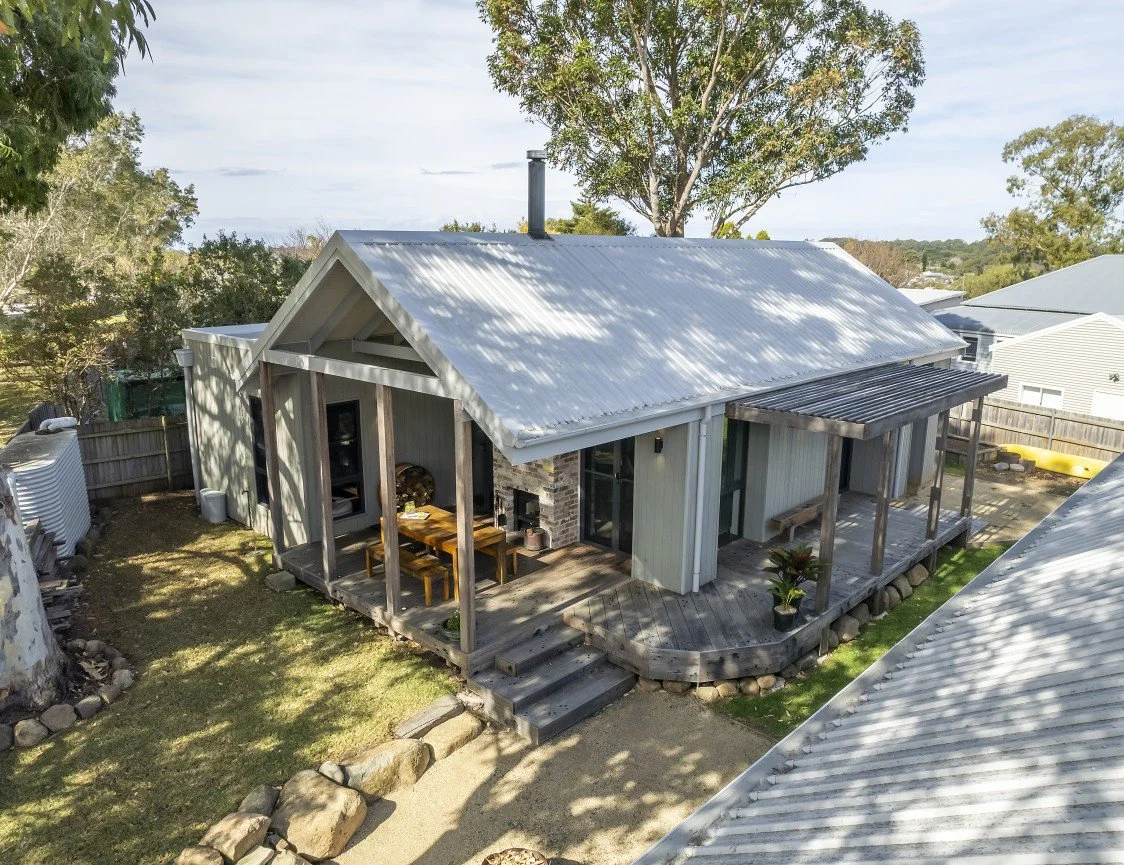
Step into the future of Australian living with the home design trends that will shape 2025. As sustainability, technology, and wellness take centre stage, modern homes are evolving into spaces that blend functionality with personality. From eco-conscious materials and smart technology to flexible layouts and calming interiors, today’s homes are designed to reflect how we live, work, and recharge. Whether you’re building new or planning a renovation, these ideas will help you create a stylish, future-ready space.
As we move into 2025, home design in Australia is evolving to meet the demands of a changing world. The focus on sustainability, minimalism, and innovative technology continues to grow, while the unique Australian lifestyle influences every aspect of modern living spaces. Whether you’re building, renovating, or just looking to refresh your home, here are the top design ideas that will shape Australian homes in 2025.
1. Sustainable and Eco-Friendly Design
Sustainability is no longer just a trend; it’s a necessity. Australian homeowners are becoming increasingly aware of their environmental footprint, and home designs are reflecting this shift. Expect to see:
Solar panels integrated into design: More homes will incorporate solar panels seamlessly into their roofs and facades, making them less of an afterthought and more of a key design element.
Recycled materials: From reclaimed timber to recycled concrete and glass, eco-conscious materials will play a significant role in modern home builds.
Water conservation features: In Australia's dry climate, more homes are expected to incorporate rainwater harvesting systems, greywater recycling, and drought-resistant landscaping to reduce water consumption.
2. Biophilic Design
In 2025, the connection between nature and home design will deepen. Biophilic design focuses on bringing the outdoors inside, promoting well-being by incorporating natural elements into the home. This includes:
Indoor gardens and vertical greenery: Living walls and large potted plants in indoor spaces help purify the air and bring the beauty of nature closer to daily living.
Natural light and ventilation: Expect large windows, skylights, and open spaces that promote cross-ventilation, enhancing aesthetics, improving air quality, and increasing energy efficiency.
Organic materials, such as timber, stone, and natural fabrics, will dominate modern minimalist interiors, offering texture and warmth.
3. Smart Homes with Integrated Technology
Smart technology is becoming integral to home design, making everyday life more convenient and energy-efficient. In 2025, we will see homes that are more responsive to their occupants' needs, with:
Voice-activated systems: From lighting to security, homes will be outfitted with advanced voice-activated controls that integrate seamlessly with everyday activities.
Energy monitoring: Home automation systems will help track and manage energy usage, ensuring optimal efficiency and cost savings.
Connected appliances: Smart kitchens and living spaces will feature connected devices that sync with mobile apps, allowing homeowners to remotely control their appliances.
4. Open-Plan Living with Flexible Spaces
The open-plan living trend continues to dominate Australian homes, but with a twist: flexibility. As work-from-home lifestyles become more permanent, homes in 2025 will embrace multifunctional spaces that adapt to daily needs. Key features include:
Partition walls and movable dividers: These allow for open living areas to be easily reconfigured into private, quiet spaces for work, study, or relaxation.
Modular furniture: Flexibility is key; it allows quick, easy rearrangements to suit changing needs.
Indoor-outdoor flow: Large sliding doors, alfresco dining areas, and outdoor kitchens will continue to blur the lines between inside and outside, making the most of Australia’s warm climate.
5. Minimalism with Personality
Minimalism remains a cornerstone of modern design; however, in 2025, we’re shifting towards a more personal approach. Instead of cold, stark interiors, there’s a move towards creating functional, characterful spaces. Look for:
Neutral palettes with bold accents: Soft whites, beiges, and greys will remain dominant, but homeowners will introduce pops of colour and texture through statement furniture, artwork, and accessories.
Curved furniture and soft lines: The harsh angles of past modern designs give way to softer, curved shapes in sofas, chairs, and decor, bringing warmth and comfort into minimalist spaces.
Personalised decor: Homeowners add personal flair through custom-made pieces, artwork, and souvenirs that tell a story and reflect their tastes.
6. Focus on Wellness and Self-Care
Self-care and wellness drive home design choices as Australians seek to create spaces that promote relaxation and mental well-being. In 2025, this trend manifests in the following:
Home spas and wellness spaces: More homes will feature dedicated areas for relaxation, such as spa-like bathrooms with soaking tubs, saunas, and even meditation rooms.
Calming colour schemes: Expect soft, tranquil colours such as sage green, pastel blues, and warm neutrals that create a soothing atmosphere.
Wellness technologies, including smart air purifiers, circadian lighting, and home gyms equipped with technology to support physical and mental health, will be key features in wellness-focused homes.
7. Smaller, Smarter Homes
As urban living becomes denser and land costs rise in Australian cities, many homeowners opt for smaller, smarter homes. The focus is on creating compact spaces that don’t sacrifice style or comfort. Key elements include:
Clever storage solutions, including built-in cabinets, hidden storage, and multifunctional furniture, will be essential to keep smaller homes organised and clutter-free.
Multi-use rooms: Think guest rooms that double as home offices or living rooms that transform into entertainment spaces with minimal effort.
Energy efficiency: Smaller homes are often more energy-efficient, with better insulation, passive solar design, and energy-efficient appliances.
Final Thoughts
As we look to 2025, modern home design in Australia is about blending functionality with sustainability, comfort and innovation. Whether embracing nature through biophilic design or enhancing convenience with smart home technology, these trends will shape how Australians live, work, and unwind in the years to come. If you're planning to renovate or build, these ideas will inspire you to create a stylish home that is future-proofed for the modern world.
When selecting the ideal kitchen layout for your home, choosing the right builder is crucial to achieving a design and layout that accurately reflects your vision, lifestyle, and needs. That’s where we come in. Here at Prescom Constructions, we take pride in delivering quality craftsmanship, innovative designs, and a stress-free building experience for all our clients.
Ready to redesign your kitchen or your dream home? Let’s talk. Give us a call at 0415 287 701 or visit our website at www.prescomconstructions.com.au