
Winter Mould: When Is It a Maintenance Issue vs a Building Issue?
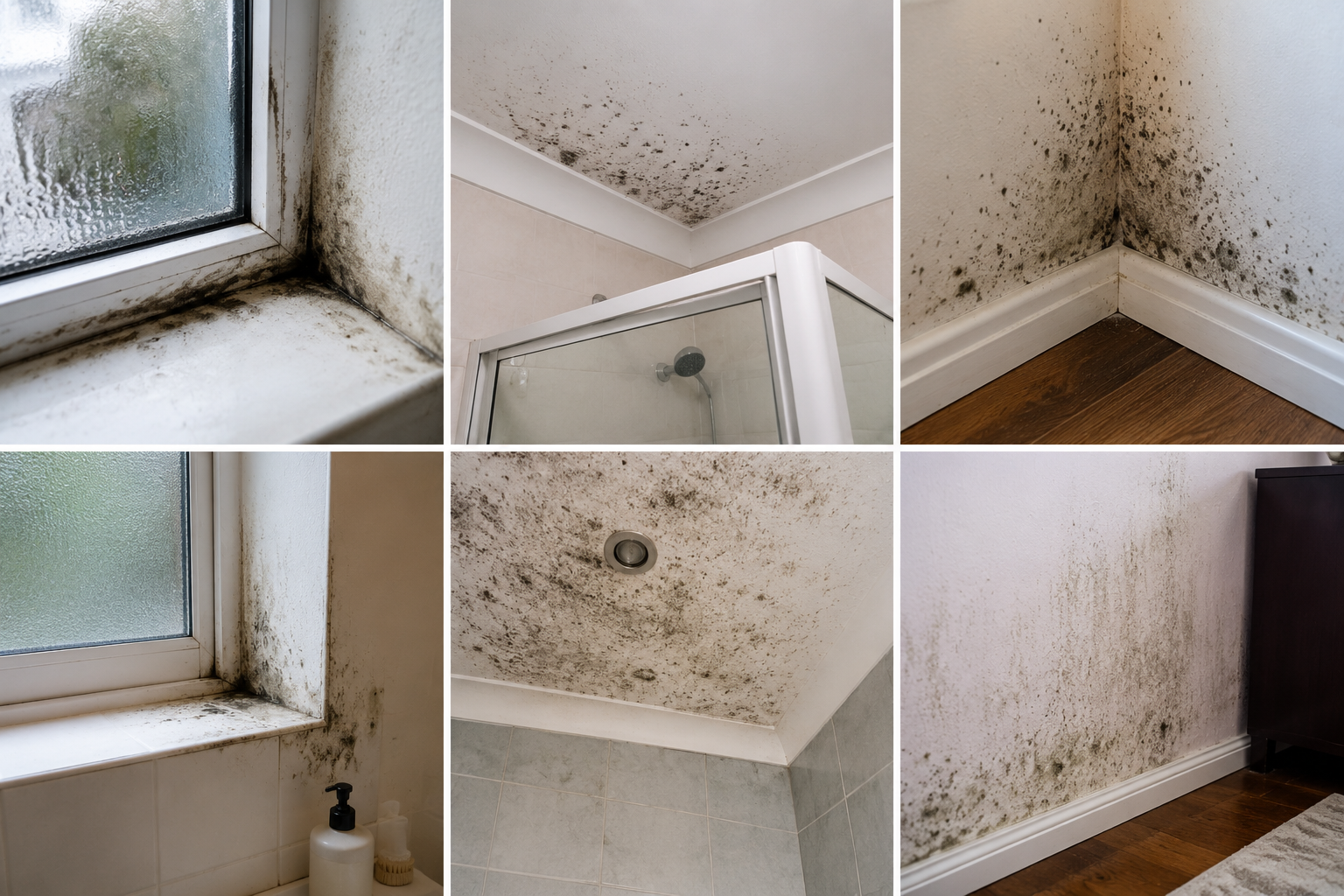
As the colder months arrive across Sydney, many homeowners begin noticing an unwelcome guest appearing around the house mould.
It might start as a few small black spots around a bathroom ceiling, a musty smell in a wardrobe, or patches forming near windows and external walls. While it may seem like a minor inconvenience at first, mould is often a sign that excess moisture is finding its way into your home.
The question many homeowners ask is:
"Is this just a normal part of winter, or is there something wrong with my house?"
The reality is that mould can be caused by both everyday living habits and underlying building issues. Understanding the difference is essential because the solution and the cost involved can vary significantly.
At Prescom Constructions, we believe informed homeowners make better decisions. Whether you're maintaining your existing home, planning a renovation, or building new, knowing what causes mould can help you protect both your investment and your family's health.
Why Does Mould Become More Common During Winter?
Winter creates ideal conditions for mould growth.
As outdoor temperatures fall, we naturally close windows and doors to keep warm. While this makes our homes more comfortable, it also traps moisture indoors.
Everyday activities generate surprising amounts of water vapour, including:
Hot showers
Cooking meals
Boiling kettles
Using clothes dryers
Drying washing indoors
Even breathing while sleeping
When this warm, moisture-filled air comes into contact with cold surfaces like windows, external walls, tiled bathrooms or poorly insulated ceilings, condensation forms.
If that moisture isn't able to dry quickly, mould spores which are naturally present in the air begin to grow.
Mould doesn't require flooding or major leaks to develop.
It simply needs:
Moisture
A food source (paint, timber, plasterboard, dust or fabric)
Limited airflow
Time
That's why winter is the peak season for mould complaints in Australian homes.
Why Mould Should Never Be Ignored
Many people see mould as purely cosmetic.
Unfortunately, that's rarely the case.
Persistent mould can affect:
Indoor air quality
Respiratory health, particularly for children and people with asthma
Timber framing and structural materials
Paint finishes
Plasterboard
Insulation performance
Property value
More importantly, mould is rarely the problem itself.
It's usually a symptom of excess moisture and moisture is something every homeowner should investigate.
When Mould Is a Maintenance Issue
The good news is that many winter mould problems are completely preventable.
They occur because moisture becomes trapped inside the home rather than because something has failed within the building itself.
Poor Ventilation
Bathrooms, laundries and kitchens produce enormous amounts of steam every day.
Without effective extraction fans or open windows, that moisture has nowhere to escape.
Instead, it settles onto ceilings and walls where mould begins to develop.
A bathroom exhaust fan should continue running for several minutes after a shower, not just while you're in it.
Drying Clothes Indoors
During winter, many families dry washing inside.
While convenient, a single load of washing can release several litres of moisture into your home's air.
Without adequate ventilation, that moisture settles throughout the house.
If drying indoors is unavoidable, try:
Opening windows slightly
Running exhaust fans
Using a dehumidifier
Drying clothes in a well-ventilated room
Furniture Against External Walls
Large furniture such as wardrobes, bookshelves and beds positioned tightly against external walls reduce airflow.
Cold air becomes trapped behind them, creating perfect conditions for condensation and hidden mould growth.
Simply leaving a small gap between furniture and the wall can improve ventilation significantly.
Everyday Condensation
Do your windows collect water every morning?
That's condensation and it's one of the biggest contributors to winter mould.
If left sitting day after day, that moisture eventually finds its way into window frames, plaster and surrounding finishes.
Regularly wiping condensation away and increasing ventilation can dramatically reduce mould growth.
Blocked Gutters and Poor Exterior Maintenance
Home maintenance extends beyond what's happening inside.
Blocked gutters can overflow during heavy rain, causing water to sit against fascia boards, walls or roofing components.
Over time, that moisture may find its way inside the home.
Simple annual maintenance such as:
Cleaning gutters
Checking downpipes
Inspecting roof tiles
Clearing roof valleys
can prevent much larger issues developing later.
When Mould Could Be a Building Issue
Sometimes homeowners do everything right.
They ventilate the home, clean mould properly, use exhaust fans and maintain the property yet the mould keeps coming back.
This is when it's worth considering whether the moisture is entering from somewhere else.
Roof Leaks
One of the most common causes of recurring mould is a roof leak.
Roof leaks don't always drip dramatically into the living room.
Many develop slowly over months.
Water may travel along timber framing before appearing somewhere completely different inside the house.
Signs include:
Brown ceiling stains
Bubbling paint
Sagging plasterboard
Damp insulation
Mould appearing after heavy rain
Even a tiny roof leak can create enough moisture for mould to thrive.
Plumbing Leaks Hidden Inside Walls
Not every water leak is visible.
A slow leak from a pipe inside a wall cavity may go unnoticed for months while continuously feeding moisture into surrounding building materials.
Common warning signs include:
Mould returning to the exact same location
Damp patches that never fully dry
Musty smells
Soft plasterboard
Increased water bills
Hidden plumbing leaks should always be investigated promptly before they cause structural damage.
Rising Damp
Many older homes throughout Sydney experience rising damp.
This occurs when groundwater travels upward through masonry because the damp-proof course has deteriorated or failed.
Unlike condensation, rising damp usually starts near floor level.
Typical symptoms include:
Peeling paint
Salt deposits (efflorescence)
Crumbling plaster
Damp skirting boards
Mould along the lower sections of walls
Cleaning the mould alone won't solve the problem if rising damp is the cause.
Building Envelope Defects
Your home's external shell known as the building envelope is designed to keep water outside.
If components begin failing, moisture can enter unnoticed.
Potential issues include:
Cracked render
Failed silicone around windows
Damaged flashing
Poor waterproofing
Deteriorated roof penetrations
Faulty window installation
These defects often allow rainwater to enter walls slowly over time.
Insulation and Thermal Bridging
Modern homes are designed to manage heat efficiently, but poor insulation or thermal bridging can create cold spots where condensation regularly forms.
Thermal bridging occurs when structural elements transfer cold temperatures from outside directly into the home.
These colder surfaces become magnets for condensation, particularly during winter.
Although the building may not have a leak, improving insulation or addressing thermal performance can greatly reduce mould problems.
How to Tell Whether It's Maintenance or a Building Issue
While every home is different, asking yourself these questions can help identify the likely cause.
It's more likely a maintenance issue if:
The mould only appears during winter.
It forms on windows or bathroom ceilings.
It improves with better ventilation.
It disappears after cleaning and doesn't quickly return.
It's spread across several humid rooms.
It's more likely a building issue if:
The mould always appears in exactly the same location.
There are water stains or peeling paint nearby.
It worsens after rainfall.
The wall feels damp to touch.
You notice bubbling plaster or swelling skirting boards.
A musty smell remains despite cleaning.
The mould keeps returning within weeks.
If you're unsure, it's always worth seeking professional advice before the problem becomes more extensive.
Preventing Winter Mould
Prevention is always easier than remediation.
Some simple habits that can make a noticeable difference include:
Open windows whenever weather allows.
Use bathroom exhaust fans during and after showers.
Run your kitchen rangehood while cooking.
Avoid drying clothes indoors where possible.
Wipe condensation from windows each morning.
Leave wardrobe doors open occasionally to improve airflow.
Keep furniture slightly away from external walls.
Clean gutters before winter arrives.
Check roof tiles after storms.
Repair plumbing leaks promptly.
Consider using a dehumidifier in particularly damp areas.
Small changes today can prevent expensive repairs tomorrow.
Building Homes That Perform in Every Season
At Prescom Constructions, we know that quality construction goes beyond beautiful finishes.
A well-built home should perform reliably through Sydney's changing seasons keeping your family comfortable, dry and protected year after year.
Whether we're completing a new build, a major renovation or a home extension, we place enormous importance on the details that homeowners don't always see.
Proper waterproofing, quality roofing, ventilation, insulation, flashing, drainage and moisture management all contribute to a healthier, longer-lasting home.
It's part of our commitment to delivering homes built with quality first, durability always, and attention to every detail.
Concerned About Mould in Your Home?
If you're noticing recurring mould, damp patches, water stains or persistent moisture throughout your home, don't assume it's simply part of winter.
Identifying the cause early can help prevent costly repairs and protect the long-term condition of your property.
Whether the issue is related to maintenance or an underlying building defect, having it assessed sooner rather than later is always the best approach.
If you're planning a renovation, extension or new build or you're concerned about moisture affecting your home contact Prescom Constructions. Our experienced team is here to help you create a home that's built to perform, no matter the season.