
Simple Eco-Friendly Features for Aussie Households
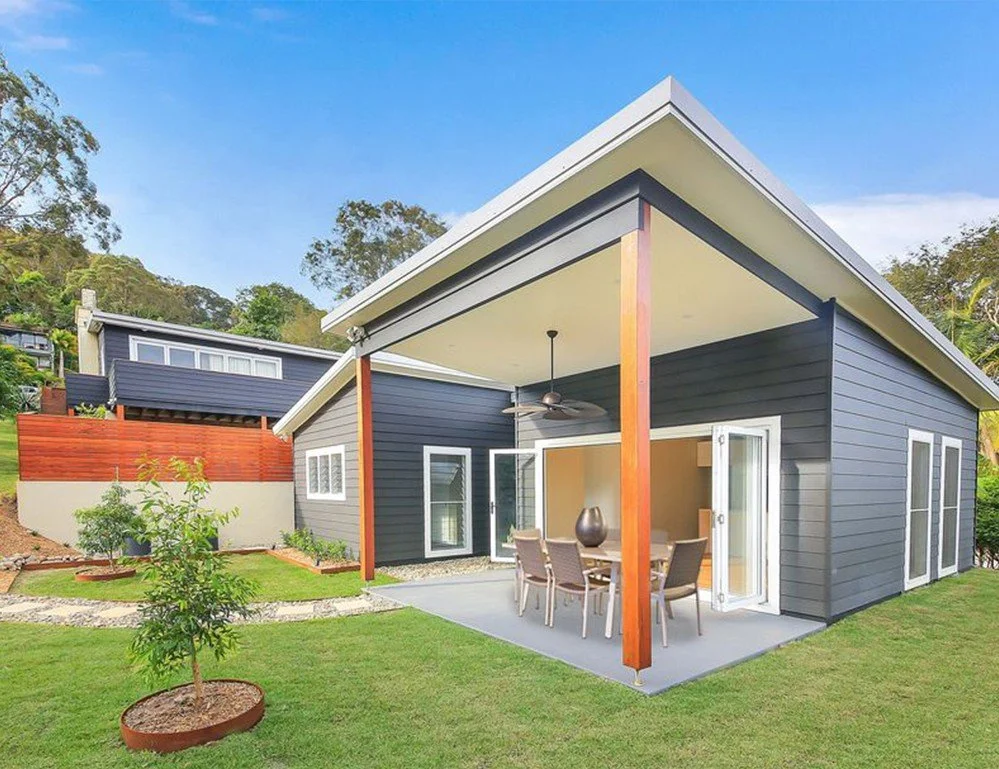
Sustainability starts at home, and it’s easier than you might think. Whether you’re renovating, building new, or just making small lifestyle changes, incorporating eco-friendly features can transform your home into a more energy-efficient, healthy, and cost-effective space. At Prescom Constructions, we believe going green is about progress, not perfection; every little step counts. Here are some simple yet impactful ways Australian households can adopt sustainable living and build a better future.
Incorporating eco-friendly features in your home doesn’t have to be a daunting task. Whether you're renovating or just looking for small ways to be more sustainable, every effort counts towards reducing your environmental footprint. Here’s how you can easily transform your home into a greener, more sustainable space.
1. Solar Power: Harnessing the Aussie Sun
We’re blessed with plenty of sunshine here in Australia, so why not make the most of it? Installing solar panels is one of the most effective ways to reduce your reliance on non-renewable energy. Not only can you cut down your electricity bill, but you’ll also contribute to a cleaner, greener planet.
2. Water-Saving Features: Every Drop Counts
Water is a precious resource, especially in drought-prone areas. Installing water-saving features, such as low-flow taps and showerheads, as well as dual-flush toilets, can significantly reduce your water usage. Better yet, consider setting up a rainwater tank to collect and reuse rainwater for your garden or washing your car.
3. Energy-Efficient Appliances: Smarter Living
When it's time to upgrade your home appliances, look for those with high energy efficiency ratings. Energy-efficient fridges, washing machines, and dishwashers use less electricity and water, reducing your household's environmental impact while saving you money in the long run.
4. Insulation: Keep Your Home Comfortable Naturally
Adequate insulation is crucial for reducing your home’s energy consumption. Proper insulation keeps your house cooler in the summer and warmer in the winter, reducing the need for heating and cooling. This simple feature can make a significant difference in energy consumption, helping you live a more sustainable life.
5. Sustainable Materials: Eco-Friendly Building Choices
If you're planning a renovation, consider using sustainable materials like reclaimed timber, bamboo, or recycled steel. These materials are not only durable but also environmentally friendly, offering a greener alternative to traditional building supplies.
6. Composting: Reduce Household Waste
Composting is an easy and effective way to reduce the amount of organic waste that ends up in landfills. Set up a compost bin in your garden or backyard and toss in your food scraps and garden waste. In a few months, you'll have rich, natural fertiliser for your plants, and it’s completely free!
7. Smart Lighting: Bright Ideas for Energy Savings
Switching to LED lights is one of the simplest eco-friendly changes you can make at home. LED bulbs use significantly less energy than traditional incandescent bulbs, and they also last longer. Pair this with motion-sensor lighting or innovative systems that allow you to control lights remotely, and you’ll be saving both energy and money.
8. Native Gardens: Low-Maintenance, High Impact
Creating a native garden filled with Australian plants not only supports local biodiversity but also requires less water and maintenance. Native plants are perfectly adapted to the local climate, meaning they thrive with minimal effort, helping you save on water bills and gardening supplies.
9. Eco-Friendly Paint: Breathe Easier Indoors
When it’s time to freshen up your walls, opt for eco-friendly, non-toxic paints. Traditional paints can release harmful chemicals, known as VOCs (volatile organic compounds), into the air, contributing to indoor pollution. Eco-friendly paints, on the other hand, are low in VOCs and better for your health and the environment.
10. Smart Meters: Monitor and Manage Your Energy Use
Installing a smart meter enables you to track your household's energy usage in real-time, allowing you to identify ways to conserve energy. By monitoring your consumption, you can make more informed decisions about how to reduce your energy use and lower your electricity bill.
Conclusion: Little Changes, Big Impact
Incorporating eco-friendly features into your home doesn’t have to be an all-or-nothing approach. Start small by making a few sustainable swaps that suit your lifestyle and budget, and watch as the benefits, both environmental and financial, accumulate over time. Going green at home is a win for you and a win for the planet! So why not give it a go?