
How to Prepare Your Property Before Construction Begins
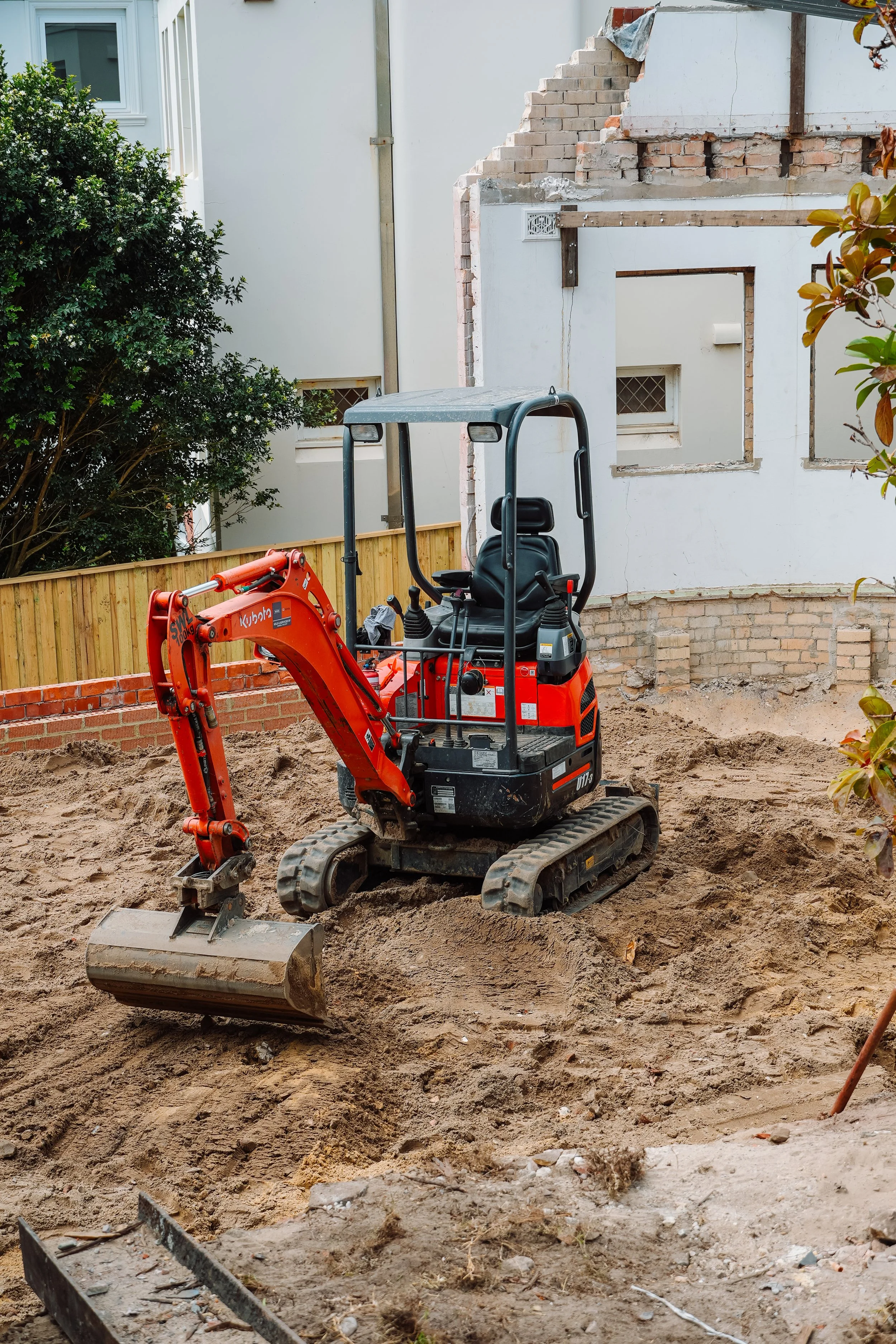
So, you've made the big call: you're building, extending, or giving your home a serious makeover. Ripper! But before the first nail goes in or the excavator rolls up, there's a fair bit of groundwork to sort on your end. Getting your ducks in a row before construction kicks off will save you heaps of time, money, and headaches down the track.
Before You Do Anything Else
Lock in your approvals and paperwork
In Australia, most building works, whether it's a full build, a second storey, or a new deck, require council approval and a building permit before a single sod is turned. Don't assume your builder has lodged everything; always confirm. Skipping this step can result in stop-work orders, fines, or even having to pull down completed work. Ouch.
Before construction begins, make sure you have:
Development Application (DA) or Complying Development Certificate (CDC) approved
Construction Certificate (CC) issued
Owner-builder permit (if applicable)
Neighbour notifications completed if required
Pro tip: Ask your builder or certifier for copies of all approved documents and keep them somewhere safe you'll need them at various stages of the build.
Sort your finances before the slab goes down
Construction loans work differently from standard home loans; funds are typically released in progress payments as each stage of the build is completed. Make sure your finance is fully approved (not just pre-approved) and that your lender understands the project scope. Budget a 10–15% contingency buffer on top of your quoted price, because surprises unexpected ground conditions, council variations, material delays are part of every project.
Pro tip: Get your contract signed and reviewed by a solicitor before any work starts. Check what variations cost and how disputes are handled.
Prepping the Physical Site
Clear and secure the work zone
Your builder will need unobstructed access to the site from day one. Clear the area of garden furniture, pot plants, vehicles, and any stored items well before the start date. Trim overhanging branches that could interfere with scaffolding or machinery. If you're renovating, remove personal belongings from the rooms being worked on and protect anything staying in place with drop sheets or temporary storage.
Checklist:
Remove vehicles and garden items from access areas
Prune trees or shrubs near the work zone
Store or protect valuable outdoor features (water features, sculptures)
Arrange temporary storage if rooms are being gutted
Know where your services run
Before any digging or demolition begins, it's critical to know the location of underground and in-wall services, gas, water, sewer, stormwater, electrical, and NBN lines. In Australia, you can call Dial Before You Dig (1100) for a free referral service to identify underground assets on your property. Your builder should do this as standard practice, but it pays to be across it yourself too.
Pro tip: If your home is older, assume the as-built drawings may not be 100% accurate. Pipe locations can shift over time or were never recorded correctly.
Organise temporary disconnections early
Depending on your project, you may need to temporarily disconnect utilities such as gas, electricity, or water. These disconnections often require a licensed tradesperson and advance notice to the utility provider, sometimes weeks ahead. Don't leave this to the last minute or your project's start date could be pushed back. Also consider where you'll live if the home becomes unliveable during works, budget for short-term accommodation if needed.
Checklist:
Contact electricity, gas, and water providers for disconnection schedules
Organise a licensed electrician for any electrical isolation
Arrange alternative accommodation if needed
Redirect mail and notify service providers of your temporary address
Managing the People Around You
Have a yarn with your neighbours
A quick, friendly chat with your neighbours before work starts goes a long way. Give them a heads-up about likely noise levels, working hours, and how long the project will run. In most Australian states, residential construction is permitted on weekdays from around 7am–5pm and limited hours on Saturdays check your local council's specific rules. Happy neighbours mean fewer complaints and a smoother build.
Pro tip: Share your builder's contact number with neighbours so they have a direct line if something concerns them — it avoids escalations before they start.
Make a plan for kids and pets
A construction site is genuinely dangerous for children and animals. Open trenches, power tools, loose materials, and heavy machinery are constant hazards. Put a solid plan in place to keep kids and pets away from the work zone at all times — whether that's fencing off sections of the yard, arranging day care, or keeping pets with family. This isn't just common sense; it's a safety obligation under Australian work health and safety laws.
The Final Once-Over
Do a pre-construction condition report
Before work begins, walk the property with your builder and document its existing condition — photograph and note any pre-existing cracks, damage, or wear on fences, driveways, footpaths, and neighbouring boundaries. This protects both you and your builder if any disputes arise later about what damage was caused during construction versus what was already there.
Checklist:
Photograph all existing cracks, stains, or damage on site
Record the condition of shared fences and boundaries
Note the condition of street kerb, driveway crossover, and footpath
Save dated photos to cloud storage for easy retrieval
Establish clear communication with your builder
Before the first day on-site, agree on how you'll communicate throughout the project. Will updates come via email, a site management app, or weekly catch-ups? Who is your primary point of contact the site supervisor or the project manager? Knowing the chain of communication early prevents confusion, reduces delays, and means issues get sorted quickly rather than festering into bigger problems.
Pro tip: Keep a simple build diary jot down dates, decisions made, and any verbal agreements. It's invaluable if questions arise later.
Ready to get started? The team at Prescom Constructions works with homeowners across Australia to make every build, extension, and renovation as smooth as possible from the very first planning conversation right through to handover. Get in touch today.