
How to Make a Home Feel Luxurious Without Blowing Your Budget
A luxurious home doesn’t necessarily mean marble from floor to ceiling, designer furniture in every room, or a renovation budget that makes your eyes water.
Often, luxury comes down to something much simpler: a home that feels thoughtfully designed, beautifully finished, and made to suit the way you live.
The good news? You don’t need to renovate everything at once to achieve it.
With strategic renovations and smart choices about where to spend—and where to save—you can give your home a more premium look and feel while also making improvements that can add lasting value to your property.
Here’s how to get more from your renovation budget.
Start With the Renovations That Make the Biggest Difference
When working with a limited budget, it can be tempting to spread your money across the entire house. But making small changes everywhere may not have the same impact as properly improving a few key areas.
Instead, prioritise renovations that affect how your home looks, functions, and feels every day.
Kitchens and bathrooms are obvious places to start. They’re hardworking spaces, and outdated finishes or poor layouts can make an otherwise beautiful home feel tired.
But a renovation doesn’t always mean ripping everything out.
In a kitchen, you might be able to retain the existing layout and focus on new benchtops, cabinetry fronts, splashbacks, lighting, tapware or storage. In a bathroom, replacing an old vanity, updating fixtures, improving lighting and refreshing tiles can transform the space without completely rebuilding it.
Budget tip: Before committing to a full demolition, ask what can be retained, refreshed or worked into the new design. Every element you can sensibly reuse can free up money for improvements that matter more.
Improve the Layout Before Adding Expensive Finishes
One of the biggest misconceptions about luxury is that it comes from expensive materials.
In reality, a home with a great layout and mid-range finishes will often feel more premium than one filled with costly materials but awkward spaces.
Think about the everyday frustrations in your home. Is the kitchen disconnected from the living area? Is there wasted space in a hallway? Does a room feel dark because of an unnecessary wall? Is storage always a problem?
Renovating to improve flow, natural light, storage and usability can have a much greater long-term impact than simply replacing finishes.
An open, practical and well-planned home also has broader appeal if you decide to sell in the future.
Give the Kitchen a High-End Look Without the High-End Price
If there’s one room where homeowners can easily blow the renovation budget, it’s the kitchen.
The secret is deciding where a premium finish will be noticeable—and where a more economical choice will work just as well.
For example, instead of choosing the most expensive option for every surface, consider investing in a beautiful benchtop or statement splashback and pairing it with simpler cabinetry. Quality handles and tapware can also make standard cabinetry look considerably more sophisticated.
Lighting is another relatively small detail with a big visual payoff. Pendant lights above an island, under-cabinet lighting or thoughtfully placed task lighting can instantly make a kitchen feel more considered.
Think “hero features,” not “premium everything.” Pick one or two elements that create the wow factor and build the rest of the room around them.
Refresh Bathrooms Strategically
Bathrooms are another area where smart renovation decisions can stretch your budget.
If the plumbing layout already works, keeping toilets, showers and basins in roughly the same locations may help reduce unnecessary construction and plumbing costs.
Then focus your budget on the elements people notice.
A modern vanity, larger mirror, contemporary tapware, improved lighting and coordinated finishes can dramatically change the room. You may also be able to use feature tiles selectively rather than installing expensive tiles across every surface.
The goal isn't to make every component expensive. It's to make the finished room feel cohesive.
That sense of consistency is often what separates a basic renovation from one that feels luxurious.
Never Underestimate Paint
Few renovations deliver as much visual impact per dollar as a fresh coat of paint.
Old, marked or mismatched walls can instantly age a property. A consistent colour palette, on the other hand, can make different rooms feel connected and give the entire house a cleaner, more contemporary appearance.
Lighter colours can also help spaces feel brighter and more open, particularly when paired with good natural and artificial lighting.
Don't forget doors, trims and skirting boards. These details might seem minor, but fresh, crisp finishes can make the overall renovation feel significantly more polished.
Make Lighting Part of the Renovation Plan
Lighting shouldn't be an afterthought.
A single ceiling light in the middle of every room may technically do the job, but it rarely creates a luxurious atmosphere.
Instead, consider layers of lighting.
Combine general lighting with task lighting for kitchens and workspaces, feature lighting above dining areas or islands, and softer ambient lighting in living spaces and bedrooms.
Where possible, renovations can also be used to improve natural light. Larger openings, better-positioned windows or changes to the internal layout may help brighter areas of the home connect with darker ones.
A well-lit home doesn't just look better. It can feel larger, warmer and more welcoming.
Invest in Details You Touch Every Day
Sometimes luxury isn't what you see from across the room. It's what you notice when you use the home.
Solid-feeling door handles. Smooth cabinetry. Quality taps. Well-designed storage. Doors that close properly. Power points positioned where they're actually useful.
These aren't necessarily the most glamorous parts of a renovation, but they're the details homeowners interact with constantly.
Rather than overspending on decorative features alone, consider allocating part of the budget to quality, functionality and workmanship. Those improvements can continue paying off long after the renovation is finished.
Create Consistency Throughout the Home
One of the easiest ways to make a renovation look expensive is also one of the most affordable: be consistent.
Using the same or complementary flooring, hardware, colours and finishes throughout the property can create a strong sense of continuity.
Without that consistency, individually attractive rooms can still feel disconnected.
Before buying finishes one room at a time, develop an overall direction for the home. Having a clear palette can also prevent costly impulse purchases and make it easier to decide whether something genuinely belongs in the design.
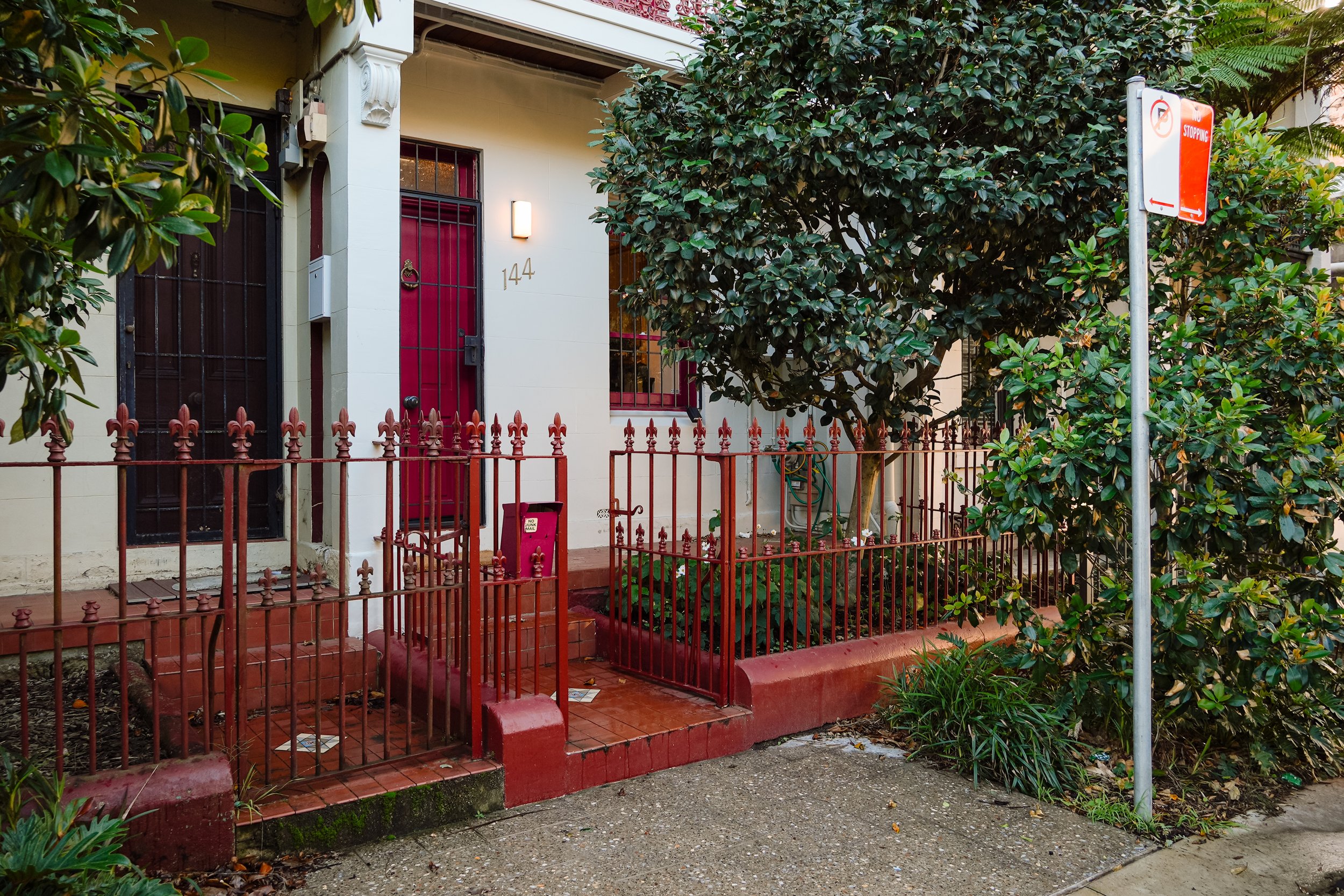
Don't Forget Street Appeal
Luxury starts before someone walks through the front door.
If you're renovating with property value in mind, consider allocating some of the budget to your home's exterior.
Painting the façade, refreshing the entrance, upgrading exterior lighting, repairing tired finishes or improving simple landscaping can completely change the first impression of a property.
You don't necessarily need an elaborate exterior transformation. A home that looks clean, cared for and cohesive will often make a stronger impression than one overloaded with expensive features.
Spend on Improvements That Last
When budgets are tight, the cheapest option isn't automatically the most economical.
If flooring, cabinetry, waterproofing or other heavily used components need to be replaced again after only a few years, the initial saving may disappear quickly.
This is where professional renovation planning becomes especially valuable.
A well-planned renovation looks beyond the upfront price and considers durability, maintenance, construction requirements and how each decision affects the rest of the project.
Sometimes spending slightly more on the right foundation allows you to save elsewhere without compromising the finished result.
Renovate With Value in Mind
Even if you're creating your forever home, it's worth considering how your renovation affects the property's overall value.
That doesn't mean designing purely for the next buyer. It means looking for improvements that give you two types of return: a better home to live in today and a stronger property for tomorrow.
Practical kitchens, functional bathrooms, improved layouts, additional storage, quality finishes, natural light and strong street appeal are all improvements that can make a home more enjoyable while potentially increasing its desirability.
Just be careful not to overcapitalise.
Before undertaking a major renovation, consider the home's current value, comparable properties in the area and how much the planned improvements are likely to contribute. The objective shouldn't simply be to spend more; it should be to spend intelligently.
A Luxurious Renovation Is Really About Better Decisions
Creating a beautiful home on a realistic budget isn't about finding the cheapest version of everything.
It's about knowing where your money will have the greatest impact.
Prioritise the spaces you use most. Improve functionality before chasing trends. Retain what already works. Choose a few standout finishes rather than upgrading everything. And most importantly, plan the renovation as a whole before construction begins.
At Prescom Constructions, we believe a successful renovation should do more than make your home look good. It should improve how you live in it, make smart use of your budget, and create lasting value.
With thoughtful planning, good design and quality construction, luxury doesn't have to mean excessive spending.
Planning to renovate your home? Talk to Prescom Constructions about creating a renovation that balances style, functionality, budget and long-term value.