
Design Decisions You'll Appreciate in 10 Years
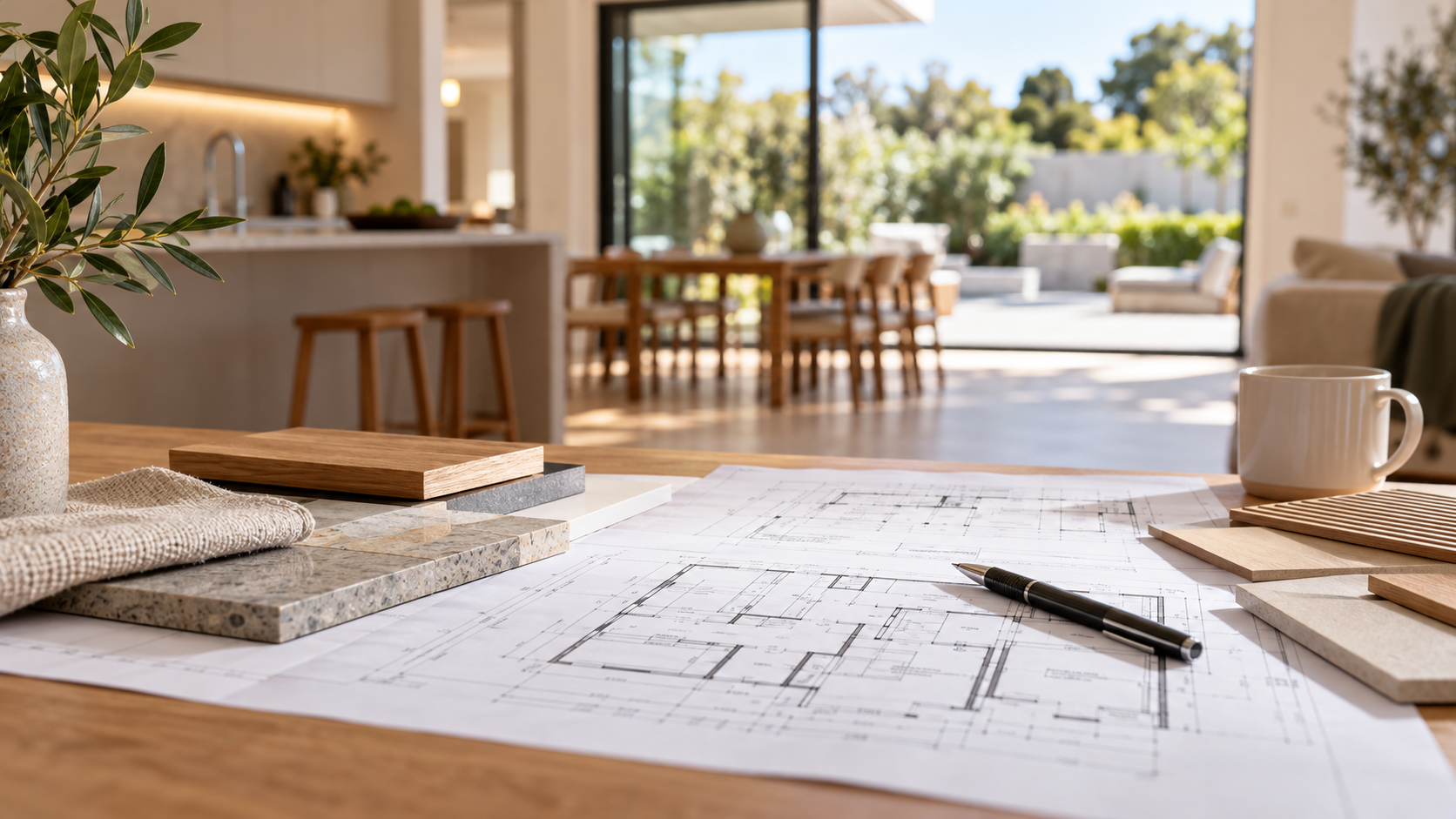
Build for today. Design for tomorrow. Create a home that grows with you.
When planning a new home, renovation or extension, it's easy to get caught up in what's trending right now. From statement kitchens and luxurious bathrooms to open-plan living and the latest finishes, there's certainly no shortage of inspiration.
But here's a question worth asking before you start building:
Will you still love these design decisions 10 years from now?
A home is one of the biggest investments you'll ever make, and the choices you make during the design and construction stages can influence how comfortably, efficiently and happily you live for years to come.
At Prescom Constructions, we believe great homes aren't simply built to look beautiful on handover day. They're thoughtfully designed to remain practical, comfortable and enjoyable as your lifestyle changes.
Whether you're building your dream home, renovating an existing property or planning an extension, here are some design decisions your future self will thank you for.
1. A Flexible Floor Plan That Grows With Your Family
Your lifestyle today might look completely different in 10 years.
Perhaps you're a young couple planning to start a family, parents with growing children, or homeowners preparing for a quieter lifestyle once the kids move out.
Whatever stage you're at, flexibility is one of the smartest investments you can make.
Instead of designing rooms for just one purpose, think about how they could evolve.
For example, a spare bedroom could become a nursery, home office, guest room or hobby space. A second living area could eventually become a teenage retreat or a comfortable space for visiting family members.
Homeowner Tips:
Consider multipurpose rooms that can adapt to different needs.
Include enough power points and data connections to support future uses.
Think about whether your home can accommodate changing mobility needs as you age.
Avoid overly specialised layouts that may limit how rooms can be used later.
If you're extending, consider how the new space will remain functional as your household changes.
Think long-term: A flexible home can reduce the need for costly renovations every time your circumstances change.
2. Prioritise Natural Light and Ventilation
Natural light is one of those design features you'll appreciate every single day, not just in 10 years.
A bright, well-ventilated home often feels more spacious, welcoming and connected to its surroundings.
For Sydney homeowners, carefully considering window placement, skylights, shading and airflow can make a significant difference to year-round comfort.
When renovating or extending, it's especially important to consider how new walls or additional rooms might affect the natural light entering existing spaces.
Homeowner Tips:
Position windows to take advantage of daylight while managing summer heat.
Consider skylights for hallways, bathrooms and internal spaces where traditional windows aren't practical.
Plan for cross-ventilation by allowing fresh air to move through different parts of the home.
Include appropriate shading to help prevent overheating.
Choose glazing and insulation suited to your home's orientation and thermal performance requirements.
At our Maroubra project, we've incorporated skylights from Skyspan Australia to help bring natural light into the home.
It's a great example of how thoughtful design choices during construction can enhance the everyday living experience.
Think long-term: Good natural lighting, ventilation and thermal design can improve comfort while potentially reducing reliance on artificial lighting, heating and cooling.
3. Invest in Quality Materials That Stand the Test of Time
Some design choices look fantastic when they're first installed but quickly show signs of wear.
That's why selecting materials based on durability, maintenance and suitability is just as important as choosing them for appearance.
High-traffic areas such as kitchens, bathrooms, hallways and outdoor entertaining spaces deserve particular attention.
While choosing the cheapest materials might reduce your initial construction costs, replacing worn or damaged finishes later can become an expensive exercise.
Homeowner Tips:
Choose durable flooring suited to your household's daily activities.
Consider the maintenance requirements of natural stone, timber and other finishes.
Invest in quality waterproofing systems and proper installation for wet areas.
Select cabinetry hardware, hinges and drawer runners designed for frequent use.
Consider how materials will respond to moisture, sunlight and temperature changes.
You don't necessarily need the most expensive materials. What matters is selecting the right materials for the right application and ensuring they're installed correctly.
Think long-term: Quality workmanship and well-chosen materials can help minimise maintenance, repairs and premature replacements.
4. Storage You'll Never Regret Having
One of the most common frustrations homeowners experience is a lack of practical storage.
And as families grow, so does the amount of everyday clutter.
From children's toys and sporting equipment to cleaning supplies, seasonal decorations and household essentials, storage needs often increase over time.
The good news? When you're already building or renovating, it's often easier to incorporate clever storage solutions than to retrofit them later.
Homeowner Tips:
Include built-in wardrobes with adjustable shelving.
Consider floor-to-ceiling cabinetry to maximise vertical space.
Plan a practical pantry that suits your cooking and shopping habits.
Incorporate linen cupboards and dedicated cleaning storage.
Explore under-stair storage or built-in joinery where appropriate.
Include accessible storage for outdoor equipment and gardening tools.
Think long-term: Well-planned storage helps your home remain organised and functional, even as your needs change.
5. A Kitchen Designed for Everyday Living, Not Just Looks
The kitchen is often considered the heart of the home, and for good reason.
It's where families prepare meals, gather for conversations, entertain guests and sometimes even help the kids with homework.
While beautiful cabinetry and benchtops are important, a kitchen's true value comes from how comfortably it functions.
A stunning kitchen with limited preparation space, poor storage or awkward walkways can quickly become frustrating.
Homeowner Tips:
Prioritise practical movement between the sink, cooktop, refrigerator and preparation areas.
Allow comfortable clearance around kitchen islands and cabinetry.
Include sufficient bench space for everyday tasks.
Consider drawers instead of deep cupboards for easier access.
Plan appliance locations, power points and task lighting early.
Choose a layout that allows multiple family members to use the space comfortably.
Think long-term: Kitchen trends may change, but a practical, well-designed layout will continue to make everyday life easier.
6. Bathrooms That Balance Style, Comfort and Accessibility
Bathrooms are another area where long-term thinking can make a significant difference.
When renovating, it's tempting to focus on tile selections, tapware and vanity styles. However, practical decisions involving layout, waterproofing, ventilation and accessibility deserve just as much attention.
A bathroom designed thoughtfully today may continue to meet your needs as your family grows or as mobility requirements change.
Homeowner Tips:
Consider a walk-in shower where space and waterproofing design allow.
Choose slip-resistant floor tiles suitable for wet areas.
Include adequate ventilation to help manage moisture.
Plan lighting around mirrors and grooming areas.
Allow sufficient room to move comfortably around fixtures.
Consider wall reinforcement for potential future grab rails where appropriate.
Think long-term: A bathroom that's comfortable, safe and easy to maintain can serve your household for many years.
7. Outdoor Living That Feels Like Part of Your Home
Sydney's lifestyle makes outdoor living a valuable part of residential design.
Whether it's a covered alfresco area, an extended deck or a landscaped courtyard, a well-designed outdoor space can become an extension of your indoor living area.
However, it's worth thinking beyond simply adding a deck or patio.
Consider how the space connects to your kitchen, dining and living areas, and whether it will remain comfortable throughout different seasons.
Homeowner Tips:
Position outdoor entertaining areas for convenient access from the kitchen or living room.
Include appropriate shade and weather protection.
Consider durable, low-maintenance outdoor materials.
Plan lighting and power points for evening entertaining.
Think about drainage, privacy and landscaping from the beginning.
Consider future additions such as an outdoor kitchen or barbecue area.
Think long-term: An outdoor area that's integrated into your home's overall design can provide years of entertaining, relaxation and family memories.
8. Energy Efficiency That Pays Off Over Time
A home that looks beautiful but is expensive to heat or cool may not feel like such a great investment a decade later.
Energy efficiency is one of the most important considerations when building or undertaking major renovations.
Good insulation, thoughtful orientation, appropriate glazing and effective shading can all contribute to a more comfortable and efficient home.
Homeowner Tips:
Invest in insulation suitable for your home's design and climate.
Consider window performance and placement, not just window size.
Explore energy-efficient heating, cooling and hot water systems.
Plan roof space and electrical infrastructure with potential future solar installation in mind.
Discuss passive design principles with your architect, designer and builder early.
Think long-term: An energy-efficient home can provide greater year-round comfort and may help reduce ongoing household energy costs.
9. Timeless Design Over Short-Lived Trends
Trends come and go, but good design tends to last.
That doesn't mean your home needs to be plain or lack personality.
Instead, consider creating a timeless foundation through your major design decisions, while introducing current trends through elements that are easier and less expensive to update.
For example, a neutral colour palette, quality flooring and well-proportioned cabinetry can provide a lasting base. Decorative lighting, furnishings, artwork and accessories can be changed as your tastes evolve.
Homeowner Tips:
Choose permanent finishes you genuinely love rather than following every trend.
Keep major architectural features cohesive.
Use colour and personality through easily replaceable elements.
Consider how your chosen materials will age together.
Focus on proportion, balance and functionality rather than appearance alone.
Think long-term: A timeless foundation allows your home to evolve without requiring a major renovation every few years.
10. Plan for the Things You Can't Easily Change Later
Some of the most valuable design decisions are the ones you won't immediately notice.
Electrical wiring, plumbing locations, structural provisions, drainage and other behind-the-scenes elements can be expensive or disruptive to change once construction is complete.
Planning ahead can make future upgrades easier.
Homeowner Tips:
Think about where you may need additional power points or data connections.
Consider future electric vehicle charging requirements.
Discuss provisions for possible home automation upgrades.
Plan sufficient electrical capacity for anticipated future appliances.
Consider whether future extensions or layout changes may be possible.
Discuss structural and service requirements with qualified professionals before construction begins.
Not every future upgrade needs to be installed today. Sometimes, simply allowing for it during the planning stage can save considerable disruption later.
Think long-term: Future-ready planning gives you more options as technology, family needs and lifestyles evolve.
The Best Design Decision? Thinking Beyond Today
Before finalising your plans, ask yourself these five questions:
Will this layout still work if our family or lifestyle changes?
Are we prioritising durability and function over short-term trends?
Have we planned enough storage, natural light and ventilation?
Will our home be comfortable and efficient to maintain?
Are there future upgrades we should allow for now?
These questions can help you distinguish between design features that simply look impressive today and decisions that will continue to deliver value over time.
Build a Home You'll Still Love in 10 Years With Prescom Constructions
At Prescom Constructions, we understand that building or renovating a home is about more than creating something beautiful. It's about creating a space that supports your lifestyle, reflects your priorities and continues to work for you well into the future.
As a Sydney-based residential builder, we work closely with homeowners, architects and designers to bring thoughtful designs to life through quality workmanship, clear communication and careful attention to detail.
Whether you're planning a new home, extending to accommodate a growing family or renovating to make better use of your existing space, we're here to help you make informed decisions throughout your building journey.
Because the best homes aren't just designed for the way you live today. They're built for the life you'll enjoy tomorrow.
Thinking about building, renovating or extending your home?
Get in touch with Prescom Constructions to discuss your ideas and take the first step towards creating a home you'll appreciate for many years to come.
Let's build something that lasts.