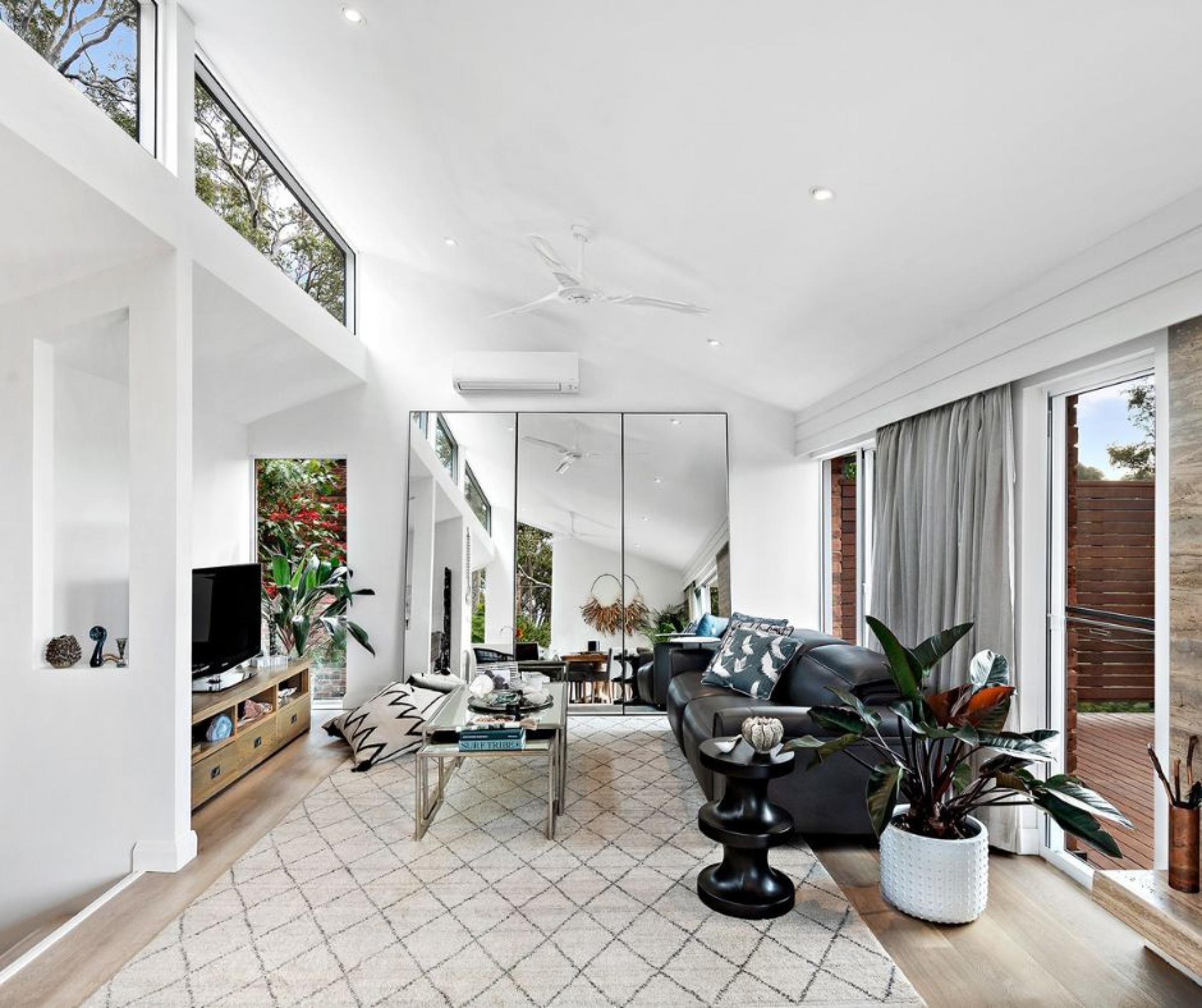
As technology continues to evolve, the concept of a “smart home” is no longer a luxury; it’s quickly becoming the standard. Today’s homeowners expect more than just aesthetic appeal; they want convenience, efficiency, security, and future-ready functionality built right into their spaces.
Whether you're building from the ground up or renovating an existing home, integrating smart technology early in the process can save costs, improve daily living, and significantly boost long-term property value.
At Prescom Constructions, we design and build homes that are not only modern and functional but also intelligently equipped for the future. Here’s a deeper look at the top smart home features you should consider.
Smart lighting goes far beyond simple on/off switches. Modern systems allow full customization of brightness, color temperature, and scheduling, all controlled via smartphone apps, voice assistants, or automation routines.
How it enhances your home:
Automatically adjusts based on time of day (cool light in the morning, warm light at night)
Motion-activated lighting for hallways, bathrooms, and outdoor areas
Remote control for added convenience and security
Pro tip: Plan for layered lighting (ambient, task, accent) during construction to maximize smart lighting benefits.
Security is one of the most compelling reasons homeowners invest in smart technology. Today’s systems offer real-time monitoring, remote access, and intelligent alerts.
Essential features to include:
Video doorbells with two-way communication
Smart locks with keyless entry and remote access
Motion sensors and perimeter alerts
Integrated CCTV systems with mobile viewing
Why it matters: You can monitor your property anytime, anywhere, whether you're at work, traveling, or simply in another room.
Climate control is one of the biggest contributors to energy consumption. Smart thermostats optimize temperature based on your habits, preferences, and occupancy.
Key advantages:
Learns your schedule and adjusts automatically
Reduces energy waste when rooms are unoccupied
Provides remote access via mobile apps
For new builds: Consider zoning systems that allow different temperatures in different areas of the home for maximum efficiency.
Voice assistants like Amazon Alexa, Google Assistant, or Apple Siri act as the command center of your smart home.
What you can control with voice:
Lighting and appliances
Security systems
Music and entertainment
Daily reminders and schedules
Why homeowners love it: Hands-free convenience that simplifies everyday tasks.
The kitchen is rapidly becoming one of the most technologically advanced spaces in the home.
Smart kitchen upgrades include:
Refrigerators that monitor inventory and expiration dates
Ovens and cooktops controlled via mobile apps
Touchless faucets and automated lighting
Added value: These features improve efficiency, reduce waste, and enhance the overall cooking experience.
A true smart home isn’t just a collection of devices, it’s an integrated ecosystem where everything works together seamlessly.
Automation examples:
“Goodnight Mode”: Turns off lights, locks doors, and adjusts thermostat
“Morning Routine”: Opens blinds, starts coffee, and plays music
“Away Mode”: Simulates occupancy to deter intruders
Best approach: Install a centralized hub or platform to ensure compatibility and scalability.
With rising energy costs, smart energy solutions are becoming essential rather than optional.
Features to consider:
Real-time energy monitoring dashboards
Smart plugs to control and track appliance usage
Solar panel integration with smart inverters
Long-term benefit: Significant savings on utility bills while reducing environmental impact.
Modern homes are designed for both relaxation and entertainment. Smart AV systems provide seamless, immersive experiences.
Options include:
Multi-room audio systems
Automated home theaters with lighting and sound control
Voice or app-controlled streaming
Design tip: Plan wiring, speaker placement, and acoustic treatments early for the best results.
Smart window solutions enhance comfort, privacy, and energy efficiency.
What they can do:
Adjust based on sunlight and temperature
Open and close on schedules
Integrate with lighting and climate systems
Result: Reduced heat gain, improved insulation, and a more comfortable indoor environment.
One of the most overlooked aspects of smart homes is the underlying infrastructure.
What to prioritize during construction or renovation:
High-speed, whole-home Wi-Fi coverage
Structured cabling for reliability
Dedicated spaces for hubs and network equipment
Allowance for future upgrades and new technologies
Why it’s critical: Technology evolves quickly; your home should be ready to adapt.
Smart home technology is no longer just about convenience; it’s about creating a more efficient, secure, and enjoyable way of living. By incorporating these features during the building or renovation phase, you not only enhance your lifestyle but also future-proof your investment.
At Prescom Constructions, we take a forward-thinking approach to every project, ensuring that your home is designed with both today’s needs and tomorrow’s innovations in mind.
Whether you're planning a new build or upgrading your current space, our team can help you seamlessly integrate smart solutions tailored to your lifestyle.
Ready to build smarter? Contact Prescom Constructions today, and let’s turn your vision into a modern, intelligent home.
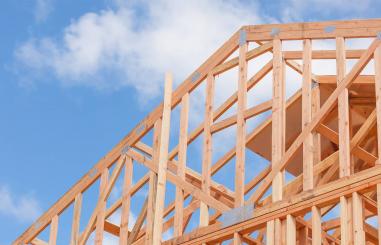
Prime Costs (PC) and Provisional Sums (PS) are essential terms in construction quotes. Prime Costs cover allowances for materials like fixtures or appliances that haven't been selected yet, offering flexibility but potentially leading to additional costs if more expensive options are chosen. Provisional Sums are estimates for work not fully defined when quoting, like excavation or retaining walls, and may change due to unforeseen circumstances. Understanding the distinction helps homeowners manage budgets and avoid surprises during the building process.
Read more
A pre-handover inspection is crucial when taking possession of a new home to ensure any issues or defects are addressed before the final settlement. Key areas to check include the structural integrity (e.g., walls, floors), fittings and fixtures (e.g., taps, doors, windows), kitchen appliances, bathroom tiles and plumbing, electrical systems, and finishes like paintwork and flooring. By thoroughly inspecting these aspects, homeowners can prevent costly repairs later and ensure a smooth transition into their new home.
Read more
In recent years, a new trend has emerged in the world of residential homes known as the Australian Hamptons style. This unique architectural and interior design style combines elements of traditional Hamptons style with a distinctive Australian twist, resulting in homes that are both elegant and relaxed. Often referred to as Aussie Hamptons, these homes have gained popularity for their timeless appeal and seamless integration with the beachy Australian lifestyle.
Read more