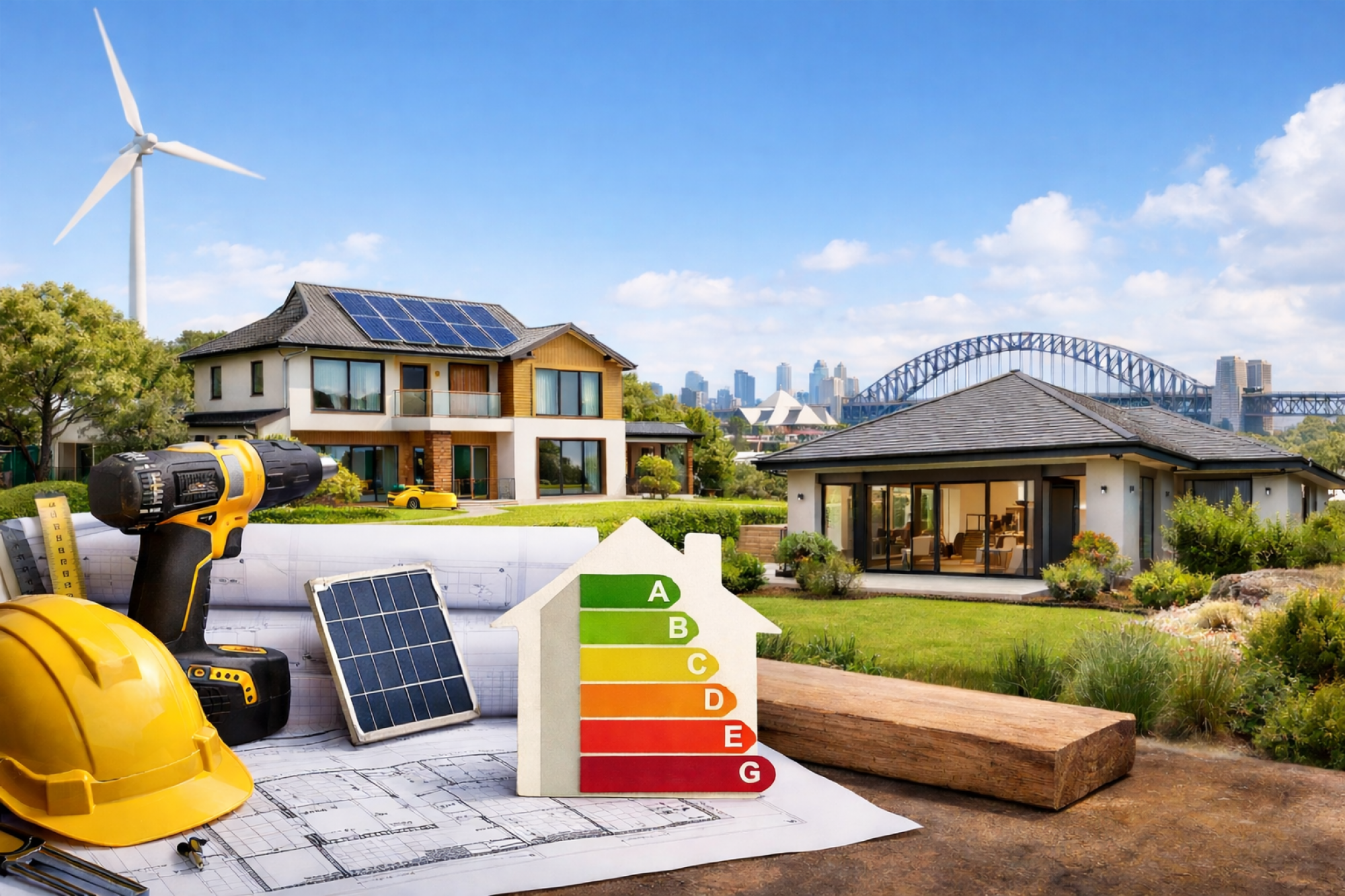
Building a home these days isn’t like putting up a beach shack with a hammer and a dream. New energy standards are reshaping Aussie home builds, and if you’re building, renovating, or just curious about how to keep utility bills down without sacrificing comfort, this blog is for you! Let’s face it, nobody wants to be the homeowner who discovers their “open-style” house turns into a sauna in summer and a freezer in winter. Thankfully, energy-efficient building isn’t just about virtue signalling; it’s about smarter design, lower bills, and longer-lasting comfort.
A brief look back at how homes have evolved shows us that houses used to be mainly about shelter, four walls, a roof, and maybe a verandah. Fast-forward to 2026, and modern homes are complex ecosystems of insulation, star-rating systems, energy generation, and smart design. Years ago, in New South Wales, energy efficiency was optional or limited; now we have stricter rules, such as the BASIX 7-Star requirement and national energy provisions under the National Construction Code (NCC), that require better thermal performance and lower energy consumption. Homes now must stay more livable in extreme weather without guzzling power or gas; clever design, not chunky blankets, should keep you comfy!
Let the sun help heat spaces in winter and shade them in summer. This passive design is inefficient!
A NatHERS rating, the star-based energy evaluation, matters. Strive for at least 7 stars, now required under NSW energy standards for new homes to meet BASIX and NCC requirements.
Walls, roofs, and windows are your home’s “thermal cloak.” Upgrade them to reduce heating and cooling loads.
Solar panels, heat pumps, and efficient appliances deliver returns over time, lowering running costs and emissions.
Some features are now mandated by NSW policy; don’t spend on things that won’t impact compliance or comfort just for show.
Now, what’s NOT worth doing? Chasing every latest gadget without a plan often leads to wasted cash, like oversized air conditioners that never really fix poor insulation, and that’s where smart planning comes in. Focus first on an airtight design, then renewable tech. As an interesting, fun fact, the NSW Building Sustainability Index (BASIX) was first rolled out back in 2004 to reduce water and energy use and has been evolving ever since, proving that building smarter is a long game with real benefits.
At Prescom Constructions, we champion practical innovation; it’s not “bells and whistles,” it’s balance and brains. “Smart energy design isn’t expensive, it’s clever.”
Let us help guide your next build with confidence. Ready to build something that saves you money and keeps you smiling every season? Contact Prescom today, and let’s bring your energy-efficient home to life!
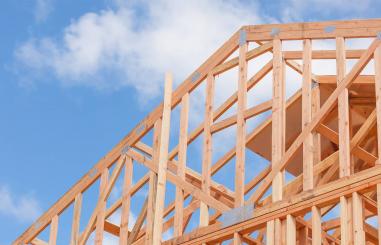
Prime Costs (PC) and Provisional Sums (PS) are essential terms in construction quotes. Prime Costs cover allowances for materials like fixtures or appliances that haven't been selected yet, offering flexibility but potentially leading to additional costs if more expensive options are chosen. Provisional Sums are estimates for work not fully defined when quoting, like excavation or retaining walls, and may change due to unforeseen circumstances. Understanding the distinction helps homeowners manage budgets and avoid surprises during the building process.
Read more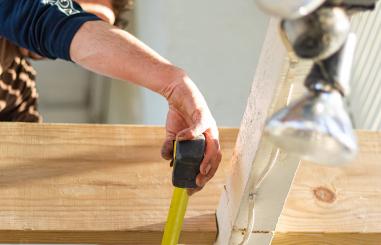
A pre-handover inspection is crucial when taking possession of a new home to ensure any issues or defects are addressed before the final settlement. Key areas to check include the structural integrity (e.g., walls, floors), fittings and fixtures (e.g., taps, doors, windows), kitchen appliances, bathroom tiles and plumbing, electrical systems, and finishes like paintwork and flooring. By thoroughly inspecting these aspects, homeowners can prevent costly repairs later and ensure a smooth transition into their new home.
Read more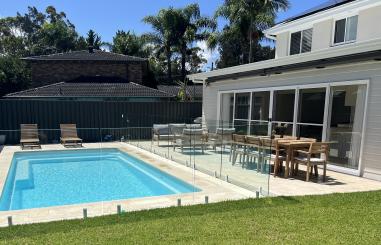
In recent years, a new trend has emerged in the world of residential homes known as the Australian Hamptons style. This unique architectural and interior design style combines elements of traditional Hamptons style with a distinctive Australian twist, resulting in homes that are both elegant and relaxed. Often referred to as Aussie Hamptons, these homes have gained popularity for their timeless appeal and seamless integration with the beachy Australian lifestyle.
Read more