
As the year wraps up, most of us are thinking about holidays, family time, and maybe tackling a few long-overdue jobs around the house. From a builder’s perspective, the end of the year is actually one of the best times to give your home a proper check-over.
A little maintenance now can prevent expensive repairs later — especially with summer weather putting extra stress on your home. Here’s a straightforward end-of-year home maintenance checklist, based on what we see most often on site.
Before grabbing tools, simply walk around your home and look closely.
Check for cracks in brickwork or rendered walls, peeling paint or exposed timber, gaps around windows and doors, and loose roof tiles or metal sheets.
Small changes are easy to miss when you see your house every day. If something looks new or different, it’s worth investigating before it gets worse.
Your roof does the hardest job in the house, yet it’s often ignored until there’s a leak.
Clear leaves and debris from gutters and downpipes, and look for rust, sagging sections, or loose brackets. Check roof tiles or sheets for cracks or movement.
Blocked gutters are one of the most common causes of water damage we see. A quick clean now can save ceilings, walls, and flooring later.
Water damage is one of the biggest enemies of any home.
Take a few minutes to check under sinks and vanities for slow leaks, inspect the hot water system for drips or corrosion, and look for damp patches on ceilings or walls.
If you notice stains or musty smells, don’t ignore them. Small leaks rarely fix themselves.
Doors and windows cop a lot of wear throughout the year, especially with temperature changes.
Open and close all doors and windows, make sure locks and latches work properly, and check seals and weather stripping.
If doors are sticking or windows won’t close properly, it could be a simple adjustment — or a sign of movement that’s worth keeping an eye on.
Decks, pergolas, and exposed timber look great, but they need regular care.
Check for splintering, rot, or loose boards. Clean built-up dirt and mould, and re-oil or seal timber where needed.
Summer sun can be harsh, and unprotected timber won’t last long without maintenance.
These are high-moisture areas and common trouble spots.
Look at cracked or missing grout, loose tiles, and silicone around showers, baths, and sinks.
Re-sealing and re-grouting are small jobs that prevent water getting behind walls — where damage becomes far more expensive to fix.
Heavy summer storms can quickly expose drainage issues.
Make sure water drains away from the house, not towards it. Check that downpipes are connected and directing water correctly, and that garden beds aren’t built up higher than internal floor levels.
Poor drainage can lead to foundation issues over time, something every builder wants homeowners to avoid.
Paint isn’t just about looks — it protects your home.
Check external paint for bubbling or peeling, touch up small areas before they spread, and pay attention to exposed edges and trims.
Catching paint issues early helps avoid timber damage and more costly repainting later.
One of the best things you can do is make a simple list of what needs attention now, what can wait a few months, and what might need professional advice.
Planning ahead gives you time to budget, compare options, and avoid rushed decisions when something fails unexpectedly.
Some issues are cosmetic. Others need a trained eye.
It’s worth speaking to a builder if you notice ongoing cracking or movement, water damage that keeps returning, or structural changes like sagging or misalignment.
At Prescom Constructions, we always recommend addressing concerns early. It’s almost always cheaper and less stressful than waiting until the problem grows.
Your home is one of your biggest investments. Giving it a yearly check-up doesn’t have to be overwhelming — just a few hours can make a real difference.
If you’re unsure about something you’ve noticed or want advice on repairs, renovations, or upgrades, speaking with an experienced builder can give you clarity and peace of mind.
From all of us at Prescom Constructions, we wish you a safe, relaxing end of the year — and a home that’s ready for whatever the next one brings.


Prime Costs (PC) and Provisional Sums (PS) are essential terms in construction quotes. Prime Costs cover allowances for materials like fixtures or appliances that haven't been selected yet, offering flexibility but potentially leading to additional costs if more expensive options are chosen. Provisional Sums are estimates for work not fully defined when quoting, like excavation or retaining walls, and may change due to unforeseen circumstances. Understanding the distinction helps homeowners manage budgets and avoid surprises during the building process.
Read more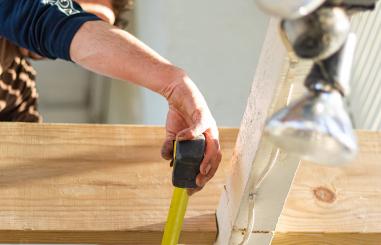
A pre-handover inspection is crucial when taking possession of a new home to ensure any issues or defects are addressed before the final settlement. Key areas to check include the structural integrity (e.g., walls, floors), fittings and fixtures (e.g., taps, doors, windows), kitchen appliances, bathroom tiles and plumbing, electrical systems, and finishes like paintwork and flooring. By thoroughly inspecting these aspects, homeowners can prevent costly repairs later and ensure a smooth transition into their new home.
Read more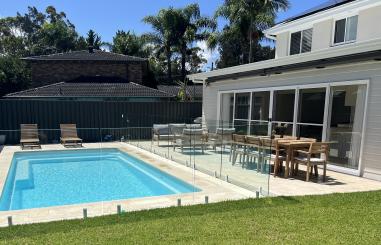
In recent years, a new trend has emerged in the world of residential homes known as the Australian Hamptons style. This unique architectural and interior design style combines elements of traditional Hamptons style with a distinctive Australian twist, resulting in homes that are both elegant and relaxed. Often referred to as Aussie Hamptons, these homes have gained popularity for their timeless appeal and seamless integration with the beachy Australian lifestyle.
Read more